
Enjoy Deeper Sleep And Brighter Mornings
Wake Up Rested Again Without Guessing What’s Wrong
Waking up tired after a full night of sleep can feel confusing, especially when you can’t pinpoint why it’s happening. For many patients, the issue isn’t how long they sleep, but how well they breathe while they sleep.
Sleep apnea can quietly interrupt that process over and over again, without you even realizing it. At our office, Dr. Varkey helps patients uncover what’s actually happening during sleep and guides them toward treatment that fits their lifestyle and comfort.
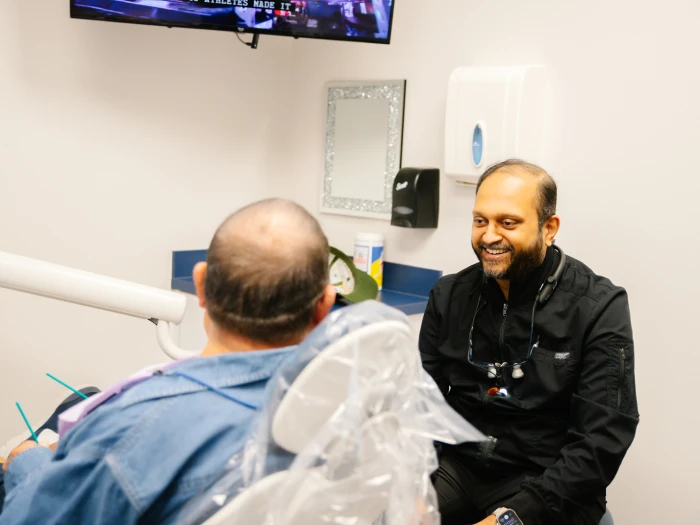
Life Feels Different With Better Sleep
More Steady Energy
When sleep isn’t being interrupted, your body has a better chance to fully recover overnight. Many patients notice they feel more consistent energy throughout the day.
Clearer Thinking
Restful sleep supports focus and mental clarity, making it easier to stay on task and think more clearly during daily activities.
Better Emotional Balance
Improved sleep can help support mood stability, making daily stress and frustration easier to navigate.
When Breathing Stops Without You Noticing
Sleep apnea happens when airflow is repeatedly reduced or blocked during sleep. The most common form, obstructive sleep apnea, occurs when soft tissues in the throat relax and narrow the airway.
Because these interruptions happen while you’re asleep, the effects usually show up the next day instead of during the night itself. Common signs your sleep may not be as restorative as it should be include:
- Loud snoring that may include choking or gasping sounds
- Waking up feeling unrefreshed even after a full night in bed
- Heavy daytime fatigue or low energy
- Difficulty focusing or staying mentally sharp
- Morning headaches or dry mouth
- Mood changes or irritability
- Frequent nighttime waking
Here’s a short video where Dr. Varkey explains what causes sleep apnea and possible treatment options:
The Connection Between Sleep and Childhood Behavior
Sometimes the effects of disrupted sleep show up in ways families don’t expect, especially in children.
While adults with sleep apnea often feel tired and sluggish during the day, children tend to react differently when their sleep is repeatedly interrupted.
Instead of appearing sleepy, children experiencing sleep-disordered breathing may become:
- Hyperactive or unusually restless
- Impulsive or easily frustrated
- Struggling to focus or stay on task
- More irritable or emotionally reactive
Because these behaviors closely resemble the signs commonly associated with ADHD, sleep apnea can sometimes go unnoticed or be mistaken for attention or learning concerns.
Why Early Answers Can Make a Difference
When breathing disruptions during sleep are discovered and addressed, many families notice meaningful changes in their child’s focus, behavior, and daily energy.
This is why evaluating airway health and sleep quality can play an important role in supporting a child’s overall development and wellbeing.
Getting to the Root of What’s Affecting Your Sleep
Step 1: Sharing What You’ve Been Experiencing
We begin with a relaxed conversation about your sleep, your energy levels, and any changes you or your partner have noticed. Dr. Varkey takes time to understand the full picture so nothing feels rushed or overlooked.
Step 2: Taking a Gentle Look at Your Airway
Next, Dr. Varkey examines your mouth, jaw, and throat to look for physical factors that may be making it harder to breathe comfortably at night. Small details like bite alignment or signs of clenching can reveal important clues.
Step 3: Learning What Happens While You Sleep
If sleep apnea is suspected, you may receive a simple at-home sleep study. This comfortable device gathers information about your breathing, oxygen levels, and heart rate while you rest in your own bed.
Step 4: Walking Through Your Results Together
Once your results are ready, Dr. Varkey sits down with you to explain what they mean and answer your questions. If needed, your care is coordinated with sleep physicians so your diagnosis and next steps feel clear and supported.
Step 5: Creating a Plan That Fits Your Life
With answers in hand, we design a treatment plan focused on improving your breathing, your sleep quality, and how you feel during the day, at a pace that feels comfortable for you.
A Treatment Option That Fits Into Real Life
For many patients with obstructive sleep apnea, treatment can be as simple as a small custom oral appliance worn at night.
This device gently adjusts the position of your jaw or tongue to help keep your airway open while you sleep. Instead of forcing air through a mask, it works with your natural breathing patterns. Patients often appreciate this option because it offers:
- Comfortable, lightweight design
- No tubing, masks, or noise
- Easy to travel with
- Simple nighttime routine
- Can be used alone or alongside CPAP when needed
What Does a Sleep Apnea Mouthguard Feel Like?
Are You Ready to Feel Rested Again?
Understanding what’s happening while you rest can open the door to meaningful changes in how you feel each day. A sleep evaluation offers a simple first step toward clarity, comfort, and better nights ahead. And you don’t have to navigate it on your own. Dr. Varkey and our team are here to guide you with care at every step.
Frequently Asked Questions
Get a Healthy Smile Today!
Contact us & plan your visit
To schedule a visit, fill out our appointment request form or call our office. We’re looking forward to seeing you!
Related Services
TMD/TMJ Treatment
 Book
Book
 Drive
Drive Call
Call